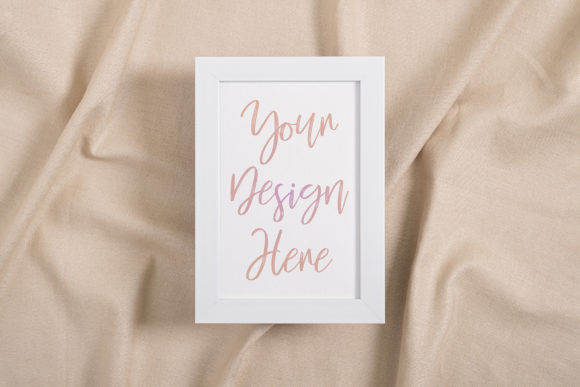
White Picture Frame Mockup: A Practical Tool for Visual Presentations
The White Picture Frame Mockup is a digital design resource used to showcase images in a realistic and professional setting. This mockup provides a clean, minimalistic background that highlights the image placed within it, making it ideal for designers, marketers, and businesses looking to present their visuals effectively. Specifically, a white picture frame mockup on a beige textile offers a subtle contrast that enhances the image without distracting from it. These mockups are often available as high-resolution PSD files with smart objects and layered elements, allowing for easy customization and integration into various projects.
What Makes a White Picture Frame Mockup Unique?
A white picture frame mockup stands out due to its simplicity and versatility. Unlike more ornate or colorful frames, a white one maintains a neutral aesthetic that can adapt to different branding needs and visual styles. When paired with a beige textile background, the mockup gains an organic, soft look that mimics real-world presentation environments such as home interiors, art galleries, or office spaces.
These mockups are typically created using Adobe Photoshop and saved as PSD files, which include smart objects and layers. The inclusion of smart objects means users can easily replace the placeholder image with their own content while preserving the quality and layout of the design. Layers provide additional control over elements like shadows, reflections, and textures, enabling a more refined and realistic final output.
In addition to the editable PSD file, many packages also offer a JPG version of the mockup with a blank picture frame. This format is useful when you need a quick preview or a ready-to-use image without the need for further editing. It’s important to note that fonts used in the mockup are usually not included, so users should ensure they have compatible typefaces if text is part of their design.
Use Cases and Best-Fit Situations
The White Picture Frame Mockup is particularly well-suited for several applications:
- Invitations: Whether for weddings, birthdays, or corporate events, a white frame on a beige background gives a classic and elegant appearance.
- Greeting Cards: Designers use this mockup to preview how custom illustrations or photos will appear on cardstock or paper backgrounds.
- Sale Promotions: For product displays or promotional materials featuring framed artwork, this mockup helps create eye-catching visuals that align with minimalist marketing trends.
- Web Pages: E-commerce sites and portfolio pages benefit from the clean look of a white frame mockup, especially when showcasing photography or customer testimonials.
Because of its neutral tone and high resolution (often 5014 x 3342 px), the mockup works well in both print and digital formats. Its clarity ensures that details remain sharp even when scaled down for online use.
Strengths of Using a White Picture Frame Mockup
One of the main advantages of the White Picture Frame Mockup is its ability to make the central image the focal point. The lack of bold colors or intricate designs ensures that viewers’ attention remains on the content being displayed. This makes it especially effective for brands that prioritize clean aesthetics or require a timeless look.
Another key strength is the flexibility provided by the PSD file. With smart objects and layered elements, designers can adjust lighting, add textures, or modify the background without compromising the overall composition. This level of control is essential for creating visually appealing presentations tailored to specific audiences or campaigns.
Additionally, the availability of a JPG file with a blank picture frame allows for fast deployment in scenarios where time is limited. You can insert your image and immediately generate a polished visual without spending hours on adjustments.
Potential Limitations and Tradeoffs
While the White Picture Frame Mockup has many benefits, it's not always the best choice for every project. One limitation is its lack of stylistic variety. If your design requires a more decorative or thematic frame—such as vintage wood, metallic finishes, or patterned borders—a white frame may not meet those needs.
Furthermore, since the font is not included in most mockup packages, there may be compatibility issues if the original design relies on specific typography. Users must either find similar fonts or rework the text to maintain the intended visual harmony.
Also, the beige textile background might not suit all environments. In some cases, a white or off-white surface could be preferable for maximum contrast and clarity. Choosing the right background depends on the context in which the mockup will be used and the desired visual impact.
When to Choose a White Picture Frame Mockup
The White Picture Frame Mockup is an excellent option when the goal is to present an image in a clear, uncluttered way. Here are some situations where it would be the right fit:
- When showcasing photography, especially for portfolios or galleries where the focus is purely on the image.
- For brand-agnostic designs where neutrality is preferred, such as generic templates or multi-purpose marketing assets.
- When working with clients who have a minimalist or modern aesthetic preference.
- As a base for other overlays or effects that require a simple backdrop.
If your design calls for a cohesive theme that includes furniture, wall decor, or interior styling, the beige textile background adds warmth and realism. However, for a more sterile or formal look, a plain white background might be better suited.
Alternatives and How They Compare
Designers often explore alternatives depending on the project’s requirements. Some common options include:
- Colored Frame Mockups: These offer a pop of color but can overshadow the image if not used carefully. A white frame avoids this issue by maintaining a low-key presence.
- Wooden Frame Mockups: Ideal for rustic or traditional themes, but they introduce texture and color that may not align with modern or minimalist branding.
- 3D Frame Mockups: These provide depth and dimensionality but may require more advanced software and rendering techniques. The white picture frame mockup is simpler and accessible to most Photoshop users.
- Custom Background Mockups: While these allow for greater creativity, they can be time-consuming to produce. The beige textile background included in many white frame mockups offers a middle ground between stock and custom setups.
Each alternative has its place, but the White Picture Frame Mockup shines in its balance of functionality and simplicity. It’s less likely to clash with diverse content types and easier to integrate into existing workflows compared to more complex or stylized mockups.
Key Considerations for Selecting the Right Mockup
Choosing the appropriate mockup involves evaluating several factors:
- Brand Identity: Does the mockup support your brand's visual language? A white frame aligns well with minimalist or contemporary branding strategies.
- Project Scope: Will you need multiple versions or variations? The layered PSD file supports scalability and adaptability across different uses.
- Technical Requirements: Are you working with a team or client who needs to edit the file? Smart objects in the PSD format facilitate collaboration and ease of modification.
- Time Constraints: Do you need something quick to deploy? The JPG version of the White Picture Frame Mockup is perfect for rapid prototyping or last-minute edits.
- Intended Use: Will the final design be printed or viewed digitally? The high resolution ensures quality in both formats, though printing may require additional considerations like bleed and color profiles.
By taking these aspects into account, you can determine whether the White Picture Frame Mockup is the optimal choice or if another style would serve your purpose better.
Realistic Examples of Usage
Here are some practical examples of how the White Picture Frame Mockup can be applied:
- Wedding Invitation Preview: Place a custom photo inside the frame to show clients how their invitation will look once printed. The beige textile background simulates a living room display, adding a personal touch.
- Product Photography: Use the mockup to feature framed prints or paintings on an e-commerce site. The white frame keeps the focus on the product while the textured background gives it a tactile feel.
- Portfolio Display: Artists can use the mockup to visualize their work in a gallery-like setting. The high resolution and layered structure allow for fine-tuning before finalizing the layout.
- Printable Greeting Card Template: Insert a holiday image into the frame and pair it with text to create a sample card. The mockup’s clean lines complement seasonal themes without competing with them.
These examples highlight how the White Picture Frame Mockup serves as a foundation for creative expression while ensuring professionalism and clarity in the final output.
Conclusion
The White Picture Frame Mockup is a valuable tool for anyone needing to present images in a clean and realistic format. Its combination of a white frame and beige textile background offers a versatile setup suitable for invitations, greeting cards, promotions, and web content. The inclusion of a layered PSD file and a ready-to-use JPG version makes it adaptable to both detailed editing and quick deployment scenarios.
However, it's crucial to assess whether this mockup aligns with your project's goals. If you're aiming for a bold visual statement or a highly thematic design, alternatives may be more appropriate. Ultimately, the decision should be guided by your audience’s expectations, your brand’s identity, and the technical demands of the task at hand.