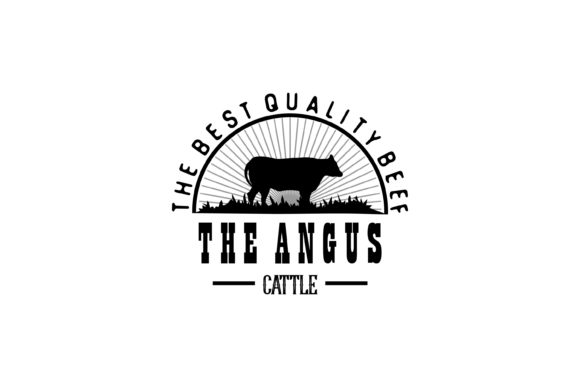
Cattle Angus Beef Emblem Label Livestock: A Practical Guide to Choosing and Using the Right Design
When it comes to branding livestock, especially for cattle such as Angus beef, a clear and professional emblem label is essential. The Cattle Angus Beef Emblem Label Livestock design serves as an effective visual identifier for ranches, farms, or meat producers who want to showcase their quality and authenticity. Whether you're a small business owner, a farmer, or a graphic designer creating materials for clients in the agriculture industry, understanding how to choose, customize, and use this type of vector-based design can make a big difference in your results.
What Is Cattle Angus Beef Emblem Label Livestock?
The Cattle Angus Beef Emblem Label Livestock refers to a customizable vector graphic typically used on tags, labels, signs, and promotional materials associated with Angus cattle. This design includes symbolic elements like bull silhouettes, grazing scenes, or stylized representations of beef products, all set within a structured emblem format. It’s commonly offered as an EPS 10 100 vector file, which allows for high-quality scalability and flexibility in editing using software like Adobe Illustrator.
Angus cattle are renowned for their premium beef, making the emblem not just a logo but a symbol of quality. Businesses often use these emblems on packaging, signage, websites, or marketing collateral to build brand recognition and trust among consumers.
Common Mistakes When Choosing and Using the Design
While the Cattle Angus Beef Emblem Label Livestock template offers great potential, many users make avoidable mistakes that affect the final outcome. Here are some common pitfalls:
- Overlooking File Format Compatibility: Not all design software supports EPS files equally. Failing to open the file in a compatible program like Adobe Illustrator can lead to poor rendering or loss of detail.
- Ignoring Font Licensing: If the template uses custom fonts and you want to replicate the text style, you must download and install those fonts legally. Skipping this step may result in legal issues or mismatched typography.
- Editing Non-Editable Elements: Some parts of the design might be locked or non-editable by default. Trying to modify them without unlocking layers or paths can cause frustration or distort the original layout.
- Not Customizing Colors for Branding: Many people use the design without adjusting colors to match their brand identity. A generic color scheme won’t stand out and may dilute your messaging.
- Using Low-Resolution Versions: Downloading or printing from a non-vector version (like JPEG or PNG) can lead to blurry images when scaled up. Always ensure you’re working with the EPS file for print or large-scale use.
How These Mistakes Can Impact Your Results
Each of these errors can have tangible consequences depending on your use case:
- Reduced Visual Quality: Using the wrong file format or skipping font installation can result in pixelated graphics or inconsistent text styles, which look unprofessional.
- Inefficient Workflow: Editing non-editable elements forces unnecessary workarounds, increasing time spent and reducing overall productivity.
- Poor Brand Representation: A poorly customized emblem fails to communicate your brand values effectively, potentially confusing customers or partners.
- Legal Risks: Unauthorized use of embedded fonts could lead to copyright violations, especially if the design is used commercially without proper licensing.
- Higher Costs in the Long Run: Fixing low-quality prints or rebranding due to bad design choices adds extra expenses and delays your project timeline.
Practical Advice for Avoiding Common Pitfalls
To get the most out of the Cattle Angus Beef Emblem Label Livestock design, follow these best practices:
1. Use Adobe Illustrator for Optimal Editing
Always open the EPS file in Adobe Illustrator. This ensures you can access all layers, paths, and editable elements. Other programs may not support full vector editing, limiting your customization options.
Example: Suppose you're preparing a poster for a farm show. Opening the file in Illustrator lets you adjust curves, scale elements precisely, and maintain crisp lines—unlike trying to edit it in basic image editors.
2. Check Font Availability Before Finalizing Text
If the design includes specific text styling, verify whether the font is embedded or needs to be installed separately. Most templates will include instructions on font usage, so read them carefully.
Better Approach: Look for a section in the file labeled "Fonts Used" or check the metadata. Then, visit the recommended font website, download it, and install it on your system before duplicating or modifying any text.
3. Customize Colors to Match Your Brand Palette
A one-size-fits-all color scheme doesn't always align with your brand identity. Take the time to adjust hues, shades, and tones to reflect your business's personality and aesthetics.
Example: If your ranch uses earthy tones like green and brown, changing the emblem's background or accent colors to match can create a cohesive look across your branding materials.
4. Understand What You Can and Cannot Edit
Some elements in the design might be grouped or locked. Don’t assume everything is editable. Instead, explore the layers panel and identify what components are available for changes such as resizing, repositioning, or deleting.
Tip: If you find an element difficult to modify, right-click to see if there’s an option to unlock or release the group. This helps you retain the integrity of the design while tailoring it to your needs.
5. Plan Ahead for Different Applications
Before downloading the EPS 10 100 vector file, consider where you’ll use the emblem. Will it be printed on tags? Displayed online? Used in presentations? Each application has different requirements for resolution, size, and file format.
Realistic Scenario: A blogger planning to feature the emblem in a post should export it as a high-resolution PNG for web use. Meanwhile, a farmer using it for physical tags should keep the EPS file for print-ready clarity.
What to Check Before Making a Purchase
Before investing in the Cattle Angus Beef Emblem Label Livestock design, ask yourself the following questions:
- Do I have access to Adobe Illustrator or another vector-compatible design tool?
- Am I comfortable installing new fonts or sourcing them legally?
- Will this emblem fit my intended use case (e.g., product packaging, signage, digital media)?
- Are there any hidden restrictions or licensing conditions I need to understand?
- Can I modify the design without compromising its structure or appearance?
Answering these questions upfront can save you time, money, and effort down the line. Always review the purchase description thoroughly and contact the seller if anything is unclear.
Final Thoughts on Maximizing the Value of Your Design
The Cattle Angus Beef Emblem Label Livestock is more than just a template—it's a foundation for building a strong visual identity around your livestock or beef products. By avoiding common mistakes and leveraging the power of vector graphics, you can create a polished and professional emblem that reflects your brand accurately.
Remember, the key to success lies in preparation. Know your tools, understand your design’s limitations, and plan for multiple uses. With the right approach, your Angus cattle emblem can become a trusted symbol in your market, helping you connect better with your audience and streamline your branding efforts.