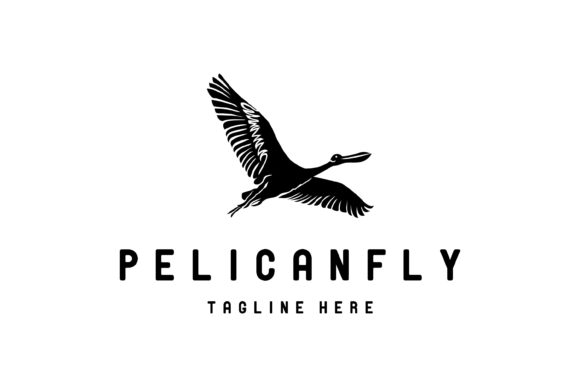
Beauty Silhouette Pelican Bird Flying: A Versatile Vector Asset for Creative Projects
The Beauty Silhouette Pelican Bird Flying vector file is a high-quality, scalable design element that can enhance a wide range of creative projects. Designed as an EPS 10 100 vector, it offers flexibility in editing and integration into various workflows. Whether you're a designer working on a branding project or a small business owner creating promotional materials, this asset provides a clean and elegant visual representation of a pelican in motion.
Understanding the Beauty Silhouette Pelican Bird Flying File
This vector illustration features a stylized silhouette of a pelican in flight. The design emphasizes form and movement, making it ideal for use in backgrounds, logos, icons, or any project requiring a minimalist yet impactful visual. As an EPS (Encapsulated PostScript) file, it maintains resolution at any size, ensuring professional results whether printed or displayed digitally.
One key aspect to note is that while most elements are editable—such as colors, curves, paths, and positioning—some text within the template is non-editable. This means if your project requires custom text using the same font style, you’ll need to download and install the specific font before recreating it. Understanding these limitations helps streamline the editing process and prevents unnecessary frustration.
Where It Fits Into Your Creative Workflow
Vector assets like the Beauty Silhouette Pelican Bird Flying play a crucial role in many stages of a creative workflow. Before starting a project, they can be used as mood boards or inspiration sources. During the design phase, they serve as scalable elements that adapt to different layouts and formats. After finalizing a design, they ensure consistency across multiple outputs such as websites, brochures, and social media graphics.
For example, a marketer might use this silhouette as part of a campaign promoting a coastal resort. They could incorporate it into a series of flyers, email headers, and signage. A blogger might use it as a header graphic for a post about birdwatching or environmental conservation. In each case, the ability to resize, reposition, and recolor the silhouette without losing quality is essential.
Pre-Project Use: Planning and Concept Development
Before diving into the actual design work, it's beneficial to consider how the pelican silhouette will fit into the overall concept. If you're planning a logo for a nature-related brand, you might want to sketch out several versions using the silhouette as a base. Its simplicity makes it easy to pair with other symbols or text, helping you visualize potential directions early in the process.
Using tools like Adobe Illustrator, you can open the EPS file and experiment with layer styles, gradients, and transparency effects. These explorations help establish the tone and aesthetic of your project before committing to a final design.
Durational Integration: Editing and Customization
Once you’ve decided to include the pelican silhouette in your project, the next step is customization. Open the EPS file in Adobe Illustrator to access all its layers and components. From there, you can:
- Change Colors: Modify the color palette to match your brand guidelines or project theme.
- Edit Paths: Adjust the curves or lines to better suit the composition or to align with other elements.
- Add or Remove Elements: Enhance the design by integrating additional shapes or removing parts that don’t contribute to the message.
- Resizing and Positioning: Scale the image to fit different sizes without distortion, and place it precisely where needed in your layout.
Because it’s a vector file, you’re not limited to static use. You can animate it using compatible software or convert it into SVG format for web-based applications. This adaptability allows you to repurpose the same asset across print and digital platforms, maintaining visual coherence throughout your marketing or design efforts.
Post-Implementation: Consistency and Quality Control
After the pelican silhouette has been edited and placed into your project, it’s important to maintain consistency. Save variations of the file under clear naming conventions so that you can easily retrieve them later. For instance, you might save it as “Pelican_Silhouette_Blue_Background.ai” or “Pelican_Logo_Edit_Version_2.eps.”
Quality control becomes especially important when exporting the final version. Ensure that the resolution remains high, particularly if printing is involved. Also, verify that the colors appear correctly across different devices and mediums. Testing the output on both screen and print can reveal discrepancies that need correction before mass distribution.
Integration With Other Tools and Assets
While the EPS file is powerful on its own, it works best when integrated with other design tools and resources. For example, after finalizing the silhouette in Illustrator, you might export it to Photoshop for further refinement or combine it with raster images for a more dynamic composition. Similarly, you can import it into InDesign for layout-heavy projects like magazines or reports.
If you plan to use the same font for custom text, take time to source and install the correct typeface. This ensures that your typography matches the original design, preserving the intended look and feel. Always back up the original EPS file before making changes, so you can return to it if needed.
Collaboration and Team Use
In team environments, such as between designers and developers, the Beauty Silhouette Pelican Bird Flying serves as a reliable asset. Developers may need it in SVG or PNG format for web use, while designers might keep the EPS for future edits. Establishing a shared folder or using cloud-based storage solutions like Google Drive or Dropbox can help maintain organization and accessibility.
When collaborating, communicate clearly about which parts of the design are editable and which are fixed. This avoids missteps during the implementation phase and keeps everyone aligned with the project goals. Including the silhouette in presentations or proposals can also help stakeholders visualize the final product more effectively.
Practical Tips for Implementation
- Use the Right Software: Always open the EPS file in Adobe Illustrator for full editing capabilities. Avoid using basic editors that may flatten the layers or lose detail.
- Organize Layers: Keep the design organized by separating elements into distinct layers. This makes future edits easier and reduces the risk of accidental changes.
- Test Across Platforms: Export the silhouette in different formats (like SVG, PNG, or JPEG) and test it on various screens and printers to ensure it looks sharp everywhere.
- Backup Original Files: Store the unedited EPS file separately from modified versions. This acts as a fallback if changes need to be undone or redesigned.
- Align With Brand Guidelines: Make sure the colors and style of the pelican silhouette complement your brand identity or the project’s visual language.
Workflow Example: Creating a Nature-Themed Logo
Here’s a practical example of how you might use the Beauty Silhouette Pelican Bird Flying in a real-world scenario:
- Step 1 – Research: Identify the target audience and purpose of the logo. A pelican silhouette might work well for eco-friendly products, travel agencies, or educational content about wildlife.
- Step 2 – Open the EPS File: Load the file into Adobe Illustrator. Check the layers panel to see what can be edited.
- Step 3 – Customize: Change the fill color of the silhouette to match your brand’s primary color. Adjust the curve path slightly to create a more natural flight posture.
- Step 4 – Add Text: Include a tagline or company name using the same font as the template. If the font isn't available, research alternatives that offer a similar aesthetic.
- Step 5 – Export and Test: Export the logo in multiple formats and test it on mockups, including website headers, T-shirts, and business cards. Confirm it scales well and retains clarity.
- Step 6 – Finalize and Archive: Once satisfied, archive the final files along with the original EPS and notes about the changes made for future reference.
Factors to Consider When Using the Silhouette
Several factors should guide your use of the Beauty Silhouette Pelican Bird Flying to maximize its effectiveness:
- Preparation: Know your project requirements beforehand. Decide on color schemes, placement, and format needs to avoid redundant work.
- Compatibility: Ensure the software you use supports EPS 10 100 files. While Adobe Illustrator is ideal, check if other programs like CorelDRAW or Affinity Designer can handle the file without issues.
- Usability: Simplify the design as much as possible. Since it’s a silhouette, avoid overcomplicating it with too many details unless absolutely necessary.
- Organization: Maintain a structured file system to manage different versions and iterations of the design efficiently.
- Efficiency: Streamline your editing process by focusing only on the elements that add value to the project. Don’t waste time tweaking non-critical aspects.
- Consistency: Apply the same styling across all project deliverables to reinforce brand recognition and professionalism.
- Long-Term Use: Think ahead about how the silhouette might evolve with your brand. Will it still fit in a year? Design with scalability and adaptability in mind.
Common Pitfalls and How to Avoid Them
Despite its versatility, there are some common mistakes users make when working with the Beauty Silhouette Pelican Bird Flying:
- Ignoring Non-Editable Text: Attempting to change text without installing the correct font leads to mismatched designs. Always double-check which parts are locked.
- Overlooking Resolution Needs: Even though it’s a vector file, some output formats require specific resolutions. Print projects typically need 300 DPI, while web uses often rely on 72 DPI.
- Not Saving Versions: Failing to keep backups can result in lost progress or difficulty returning to earlier concepts.
- Misusing File Formats: Converting the file to JPEG or PNG prematurely can limit future editing options. Only do so when the design is finalized.
Why Choose a Vector Format for Your Project?
Choosing a vector file like the Beauty Silhouette Pelican Bird Flying offers several advantages. Unlike raster images, vectors remain crisp and clear no matter the scale. This is particularly valuable for projects that involve large banners, billboards, or intricate digital interfaces. Additionally, vector files support precise editing, allowing you to tweak individual elements without affecting the rest of the design.
Vectors also facilitate faster rendering times in design software and reduce file size when exported properly. For entrepreneurs or educators who may not have advanced design experience, this ease of use can significantly speed up the creative process while still producing professional results.
Real-Life Use Cases
Here are a few scenarios where the pelican silhouette might prove useful:
- Brand Identity: Incorporate it into a logo or favicon for a nature-focused business or nonprofit.
- Website Design: Use it as a decorative element in headers, footers, or background patterns.
- Print Media: Feature it on posters, brochures, or packaging for events or products related to marine life or coastal tourism.
- Presentations: Add it to slides for talks about ecology, wildlife preservation, or regional tourism.
- Merchandise: Print it on apparel, mugs, or tote bags for a subtle yet meaningful design touch.
Conclusion
The Beauty Silhouette Pelican Bird Flying is more than just an attractive design—it’s a functional component of many creative workflows. By understanding how to edit and integrate it effectively, you can leverage its versatility to meet your project needs. Whether you're a seasoned designer or someone new to vector graphics, this file offers a foundation for innovation and expression.
Always approach its use with intention, keeping in mind compatibility, preparation, and long-term usability. With the right strategy, the pelican silhouette can become a valuable part of your toolkit, enhancing everything from branding to educational materials.